

Fleet Vehicle Maintenance: The Secret to Lower Operating Costs
Share this:
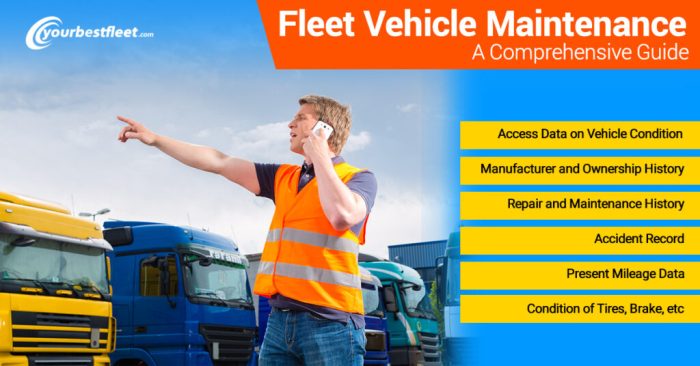
Exploring the realm of Fleet Vehicle Maintenance: The Secret to Lower Operating Costs, this introductory paragraph sets the stage for an informative journey ahead, delving into the intricacies of cost-saving strategies and best practices.
Detailing the significance of regular maintenance and its impact on operational expenses, we uncover the hidden secrets to maximizing efficiency and minimizing costs in fleet management.
Importance of Fleet Vehicle Maintenance
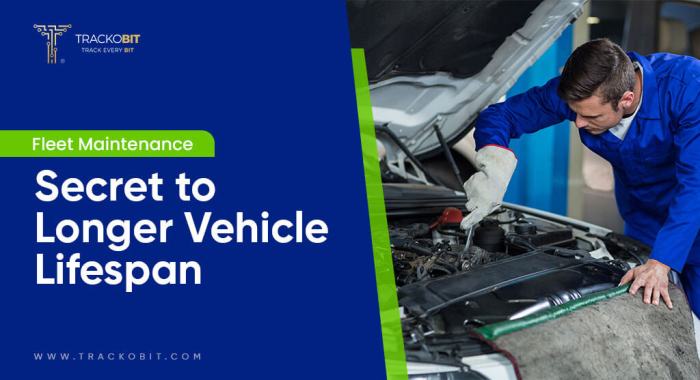
Regular maintenance of fleet vehicles is crucial for ensuring optimal performance and longevity. By adhering to a consistent maintenance schedule, fleet managers can significantly reduce operating costs and avoid costly repairs in the long run.
Lower Operating Costs
Proper maintenance can lead to lower operating costs in several ways:
- Preventive maintenance helps identify and address minor issues before they escalate into major problems, saving on costly repairs.
- Regular oil changes and filter replacements improve fuel efficiency, reducing overall fuel costs.
- Well-maintained vehicles are less likely to break down unexpectedly, minimizing downtime and productivity losses.
- Properly inflated tires and routine tire rotations extend tire life, reducing the frequency of replacements.
- Regular maintenance ensures vehicles are in compliance with safety regulations, reducing the risk of fines or penalties.
Impact of Neglecting Maintenance
Neglecting maintenance can have a detrimental impact on overall expenses:
- Untimely breakdowns and repairs can result in higher repair costs and lost revenue due to vehicle downtime.
- Poorly maintained vehicles are more prone to accidents, leading to increased insurance premiums and potential legal expenses.
- Neglecting maintenance may void warranties, leaving fleet managers responsible for full repair costs.
Best Practices for Fleet Vehicle Maintenance
Maintaining a proper maintenance schedule for fleet vehicles is crucial to ensure their optimal performance and longevity. By following best practices for fleet vehicle maintenance, you can prevent costly breakdowns, minimize downtime, and ultimately lower operating costs.
Maintenance Schedule for Fleet Vehicles
- Regularly scheduled oil changes: Ensure that oil changes are done at recommended intervals to keep the engine running smoothly.
- Tire inspections and rotations: Check tire pressure, tread wear, and rotate tires regularly to promote even wear and improve fuel efficiency.
- Brake system maintenance: Inspect brake pads, rotors, and fluid levels to ensure safe braking performance.
- Fluid checks: Regularly check and top up fluids such as coolant, transmission fluid, and brake fluid to prevent damage to vital components.
- Filter replacements: Replace air filters, oil filters, and fuel filters as recommended to maintain optimal engine performance.
Key Components for Regular Check-ups
- Engine: Regularly inspect the engine for signs of wear, leaks, or unusual noises to catch potential issues early.
- Suspension system: Check shocks, struts, and other suspension components for wear and tear to ensure a smooth ride and proper handling.
- Electrical system: Inspect batteries, alternators, and spark plugs to prevent electrical failures that can lead to breakdowns.
- Cooling system: Monitor coolant levels and check for leaks to prevent overheating and engine damage.
Benefits of Preventive Maintenance
- Cost savings: Preventive maintenance helps avoid costly repairs by addressing issues before they escalate.
- Improved reliability: Regular maintenance reduces the risk of unexpected breakdowns, ensuring vehicles are always ready for use.
- Extended vehicle lifespan: By taking care of key components proactively, fleet vehicles can last longer and maintain their resale value.
Cost-Effective Maintenance Strategies
Maintaining a fleet of vehicles can be a significant expense for any business. Implementing cost-effective maintenance strategies is crucial to reducing operating costs and maximizing the lifespan of your vehicles.
Utilize Preventive Maintenance Plans
- Regularly scheduled maintenance checks can help identify issues early on, preventing costly repairs in the future.
- Follow manufacturer recommendations for oil changes, tire rotations, and other routine maintenance tasks to ensure optimal vehicle performance.
- Keep detailed maintenance records to track the history of each vehicle and identify patterns of wear and tear.
Embrace Technology for Maintenance Optimization
- Invest in fleet management software that can help track maintenance schedules, monitor fuel efficiency, and analyze vehicle performance data.
- Utilize telematics systems to receive real-time alerts about vehicle diagnostics and potential maintenance issues.
- Consider implementing predictive maintenance technology to anticipate when parts may fail and proactively address them before they cause downtime.
In-House Maintenance vs. Outsourcing Services
- Calculate the costs associated with in-house maintenance, including labor, equipment, and training, to determine if outsourcing would be more cost-effective.
- Outsourcing maintenance services can provide access to specialized expertise and reduce the burden on internal resources.
- Compare the quality of work and turnaround times between in-house and outsourced maintenance to assess overall cost efficiency.
Extending Vehicle Lifespan through Maintenance
Regular maintenance is essential for extending the lifespan of fleet vehicles. By following specific techniques and schedules, fleet managers can ensure that their vehicles remain in optimal condition, ultimately saving on operating costs and maximizing the return on investment. Let's explore how this proactive approach to maintenance can benefit your fleet.
Techniques for Prolonging Vehicle Lifespan
- Implementing a strict maintenance schedule for routine inspections, oil changes, and tune-ups.
- Addressing minor issues promptly to prevent them from escalating into major, costly repairs.
- Regularly checking and maintaining essential components such as brakes, tires, and fluids.
- Utilizing advanced diagnostic tools to identify potential problems before they lead to breakdowns.
Financial Benefits of Extending Vehicle Lifespan
Regular maintenance not only helps in prolonging the lifespan of fleet vehicles but also brings substantial financial benefits. By avoiding unexpected breakdowns and reducing the frequency of major repairs, fleet managers can significantly lower maintenance costs over the long term.
Additionally, well-maintained vehicles are more fuel-efficient, contributing to savings on fuel expenses. Extending the lifespan of fleet vehicles through maintenance ultimately leads to a higher resale value and overall lower total cost of ownership.
Ending Remarks
In conclusion, Fleet Vehicle Maintenance emerges as a crucial element in the quest for lower operating costs, offering a roadmap to longevity and financial savings. As we bid farewell to this discussion, let us carry forward the wisdom gained and apply it to our fleet management practices with diligence and care.
Question Bank
What are some cost-saving tips for maintaining a fleet of vehicles?
Regularly checking tire pressure, scheduled oil changes, and addressing minor repairs promptly can significantly reduce maintenance costs in the long run.
How does technology play a role in optimizing maintenance costs?
Advanced fleet management software can track vehicle performance, schedule maintenance tasks efficiently, and predict potential issues, ultimately reducing overall maintenance expenses.
What are the financial benefits of extending the lifespan of fleet vehicles?
By prolonging the lifespan of fleet vehicles through regular maintenance, companies can save on replacement costs, reduce downtime, and enhance operational efficiency, leading to substantial financial gains.