

Why Preventive Maintenance Improves Vehicle Lifespan
Share this:
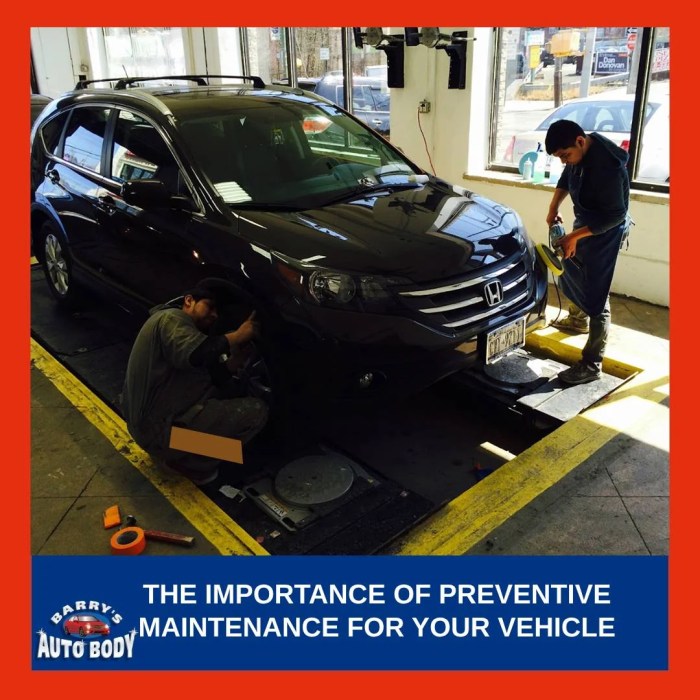
Delve into the world of vehicle maintenance and discover the key to prolonging your vehicle's lifespan through preventive measures. Explore the benefits, cost-effectiveness, and safety aspects associated with regular maintenance schedules.
Importance of Preventive Maintenance
Preventive maintenance plays a crucial role in extending the lifespan of vehicles by addressing potential issues before they become major problems. By taking proactive measures to maintain a vehicle, owners can prevent costly repairs and breakdowns, ultimately saving time and money in the long run.
Examples of Preventive Maintenance Tasks
- Regular oil changes: Ensuring that the engine oil is changed at recommended intervals helps to lubricate the engine components, reducing wear and tear.
- Tire rotations and balancing: Rotating and balancing tires regularly promotes even wear, extending the life of the tires and improving fuel efficiency.
- Checking and replacing filters: Air filters, fuel filters, and other filters play a vital role in the vehicle's performance. Regular inspection and replacement can prevent damage to the engine.
- Brake system maintenance: Regular inspection of brake pads, rotors, and brake fluid can prevent brake failure and ensure safe driving.
Benefits of Implementing a Preventive Maintenance Schedule
- Cost savings: By addressing minor issues early on, vehicle owners can avoid costly repairs that may arise from neglecting maintenance.
- Improved safety: Regular maintenance ensures that critical components are in good condition, reducing the risk of accidents due to mechanical failures.
- Enhanced performance: Vehicles that receive regular maintenance tend to perform better, with improved fuel efficiency and overall reliability.
Impact of Preventive Maintenance on Vehicle Lifespan
Regular maintenance plays a crucial role in extending the life of a vehicle. By addressing issues before they escalate, preventive maintenance helps ensure that the vehicle operates efficiently and avoids costly repairs in the long run.
Comparison of Lifespan
Vehicles that undergo regular preventive maintenance have a significantly longer lifespan compared to those that do not. The scheduled checks and servicing help identify and rectify minor problems before they turn into major issues, ultimately prolonging the overall life of the vehicle.
Specific Components Benefiting from Preventive Maintenance
Engine
Regular oil changes, filter replacements, and tune-ups can keep the engine running smoothly and prevent breakdowns.
Brakes
Inspections and replacements of brake pads, rotors, and fluid ensure optimal braking performance and safety.
Tires
Rotating tires, maintaining proper inflation, and alignments can extend tire life and improve fuel efficiency.
Fluids
Regular checks and top-ups of fluids such as coolant, transmission fluid, and power steering fluid help prevent overheating and component damage.
Cost-effectiveness of Preventive Maintenance
Preventive maintenance is not just about prolonging the lifespan of your vehicle; it is also a cost-effective approach that can save you money in the long run. By investing in regular maintenance, you can avoid the hefty costs associated with major repairs that could have been prevented with proper care and attention.
Comparison of Costs
When comparing the cost of preventive maintenance to the cost of major repairs, preventive maintenance is significantly more affordable. Routine tasks such as oil changes, fluid checks, and tire rotations are relatively inexpensive compared to the expenses incurred when major components fail due to neglect.
- Regular oil changes can prevent engine damage and premature wear, saving you from costly engine repairs or replacements.
- Checking and replacing worn brake pads can prevent brake system failures that may result in accidents and costly repairs.
- Replacing worn-out tires before they become a safety hazard can prevent accidents and potential damages to other components of the vehicle.
Financial Benefits
Investing in preventive maintenance not only saves you money on repairs but also contributes to the overall value of your vehicle. A well-maintained vehicle is worth more when it comes time to sell or trade it in, providing a return on your investment in maintenance over time.
Remember, spending a little on preventive maintenance now can save you a lot on major repairs later.
Ensuring Safety Through Preventive Maintenance
Preventive maintenance plays a crucial role in ensuring the overall safety of vehicles on the road. By conducting regular maintenance checks, potential issues can be identified and addressed before they escalate into major problems that could compromise the safety of drivers and passengers.
Importance of Regular Maintenance Checks
Regular maintenance checks such as brake inspections, tire rotations, and fluid top-ups are essential in keeping a vehicle in optimal condition. By ensuring that these components are in good working order, the risk of accidents due to brake failure, tire blowouts, or engine malfunctions is significantly reduced.
- Regular brake inspections can prevent brake system failures that could lead to accidents.
- Proper tire maintenance, including rotations and pressure checks, can prevent tire blowouts and ensure optimal traction on the road.
- Regular fluid top-ups and changes can prevent engine overheating and other mechanical failures that could result in breakdowns.
Role of Preventive Maintenance in Safety
Preventive maintenance not only helps to prevent accidents but also ensures that vehicles are safe for drivers and passengers. By addressing potential issues before they become serious, preventive maintenance promotes peace of mind and confidence in the vehicle's reliability.
- Regular maintenance checks can identify safety hazards such as worn-out brake pads or leaking fluids, preventing accidents on the road.
- Proper maintenance of critical components like steering and suspension systems can prevent loss of control while driving.
- Ensuring that safety features like airbags and seat belts are in good working order through regular checks can protect occupants in the event of a collision.
End of Discussion
In conclusion, prioritizing preventive maintenance not only enhances the longevity of your vehicle but also ensures safety on the road. Take charge of your vehicle's well-being and enjoy the long-term rewards of a well-maintained vehicle.
Essential Questionnaire
How often should preventive maintenance be performed?
It is recommended to follow the manufacturer's guidelines, typically every 5,000 to 7,500 miles.
Can preventive maintenance help prevent major breakdowns?
Absolutely, regular maintenance can catch issues early on and prevent costly breakdowns.
Is preventive maintenance cost-effective in the long run?
Yes, investing in preventive maintenance can save you money by avoiding major repairs down the line.