

How to Reduce Car Finance Interest Without Refinancing: A Comprehensive Guide
Share this:
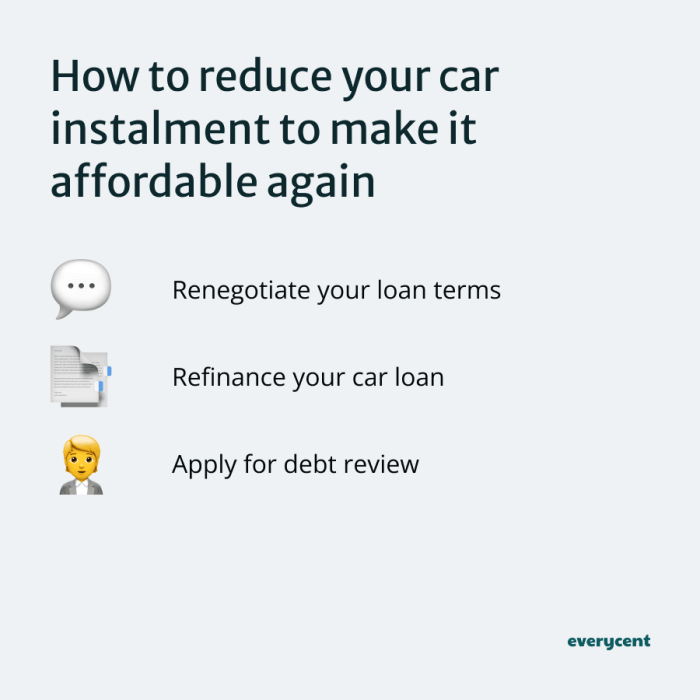
Exploring strategies to lower car finance interest rates without the need for refinancing can be a game-changer for many individuals looking to save money. By understanding key factors, improving credit scores, negotiating with lenders, and considering loan terms, it's possible to minimize interest costs effectively.
This guide dives deep into these tactics to help you make informed decisions and potentially reduce your financial burden.
Understand Car Finance Interest Rates
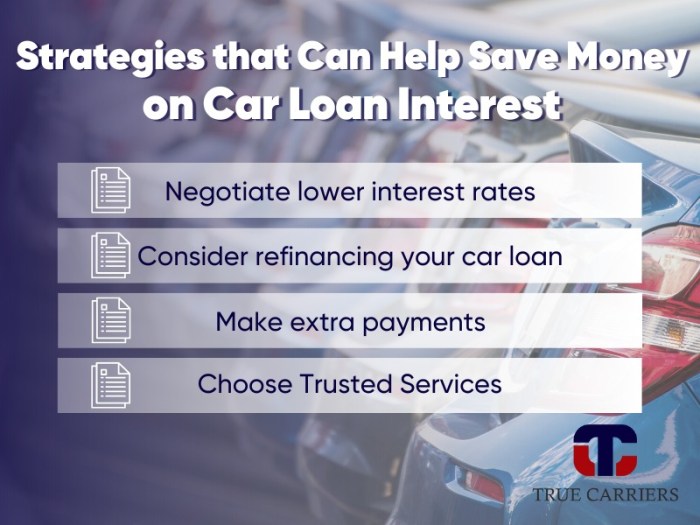
When it comes to car finance, understanding interest rates is crucial to managing your loan effectively. Interest rates can significantly impact the total amount you pay for your vehicle over time. Let's delve into the factors influencing car finance interest rates, the difference between fixed and variable rates, and how interest rates affect the overall cost of a car loan.
Factors Influencing Car Finance Interest Rates
Interest rates on car loans are determined by various factors such as your credit score, the loan term, the lender's policies, and the current economic conditions. Lenders use these factors to assess the level of risk associated with lending you money for a vehicle purchase.
A higher credit score typically results in lower interest rates, while a longer loan term may lead to higher rates due to increased risk for the lender.
Fixed vs. Variable Interest Rates
Car loans can have either fixed or variable interest rates. Fixed rates remain the same throughout the loan term, providing predictability in monthly payments. On the other hand, variable rates can fluctuate based on market conditions, potentially leading to changes in your payment amount.
While fixed rates offer stability, variable rates may offer lower initial rates but come with the risk of increasing over time.
Impact of Interest Rates on Total Cost
The interest rate on your car loan directly impacts the total cost of borrowing. A higher interest rate means you will pay more in interest over the life of the loan, increasing the overall cost of your vehicle. By securing a lower interest rate, you can save money and pay off your loan faster.
Understanding how interest rates influence the total cost of a car loan can help you make informed decisions when financing a vehicle.
Improve Credit Score
Having a higher credit score can significantly impact the interest rates you receive on car finance. Lenders use your credit score to assess your creditworthiness, and a good credit score can help you secure lower interest rates on your auto loan.
Benefits of a Higher Credit Score
- Lower Interest Rates: A higher credit score demonstrates to lenders that you are a responsible borrower, making you less of a risk. As a result, lenders are more likely to offer you lower interest rates on your car finance.
- Higher Loan Approval Odds: With a good credit score, you are more likely to be approved for a car loan. This can give you access to better financing options and lower interest rates.
- More Negotiating Power: A strong credit score can give you the leverage to negotiate for better terms on your car finance, including lower interest rates and fees.
Negotiate with Lenders
When it comes to reducing car finance interest rates without refinancing, negotiating with lenders can be a powerful tool. By effectively communicating with your lender, you may be able to secure a lower interest rate, resulting in significant savings over the life of your loan.
Compare Offers from Different Lenders
- Research and compare interest rates offered by different lenders to get an idea of the current market rates.
- Consider reaching out to your current lender and presenting them with competitive offers you have received from other institutions.
- Use online tools and resources to easily compare offers and find the best rates available to you.
Leverage Competitive Offers
- Once you have gathered multiple offers from different lenders, use this information as leverage in negotiations with your current lender.
- Highlight the competitive rates you have found and express your interest in securing a lower rate to stay with your current lender.
- Be prepared to negotiate and make a strong case for why you deserve a lower interest rate based on your financial situation and creditworthiness.
Consider Loan Term and Down Payment
When looking to reduce car finance interest without refinancing, considering the loan term and down payment can play a significant role in lowering overall interest costs.
Choosing a Shorter Loan Term
Opting for a shorter loan term can help reduce the total interest paid over the life of the loan. While monthly payments may be higher, the overall interest accrued will be lower due to the reduced time frame.
- For example, a 5-year loan with a 4% interest rate on a $20,000 car loan would result in total interest of approximately $2,645. However, if the same loan is paid off in 3 years, the total interest would decrease to around $1,587.
Impact of a Larger Down Payment
Making a larger down payment upfront can also lead to lower interest rates on the remaining balance of the loan. A substantial down payment reduces the lender's risk, making them more likely to offer a lower interest rate.
- For instance, if a $25,000 car is purchased with a $5,000 down payment, the loan amount would be $20,000. With a 3% interest rate, the total interest paid would be approximately $1,683. However, if the down payment is increased to $10,000, the loan amount decreases to $15,000, resulting in total interest of around $1,261.
Ending Remarks
In conclusion, the journey to reduce car finance interest rates without refinancing is paved with valuable insights and actionable tips. By implementing the strategies discussed in this guide, you can take control of your financial situation and work towards a more cost-effective car loan.
Empower yourself with knowledge and make informed decisions to secure a brighter financial future.
Questions Often Asked
How do I improve my credit score to reduce car finance interest?
To enhance your credit score, focus on paying bills on time, reducing credit card balances, and correcting any errors on your credit report.
Is it possible to negotiate lower interest rates with lenders?
Absolutely, negotiating with lenders can lead to lower interest rates. Be prepared to leverage competitive offers and highlight your creditworthiness.
What impact does a larger down payment have on lowering interest rates?
A larger down payment can reduce the total amount financed, resulting in lower interest charges over the life of the loan.