

How to Use Fleet Data to Optimize Fuel Consumption
Share this:
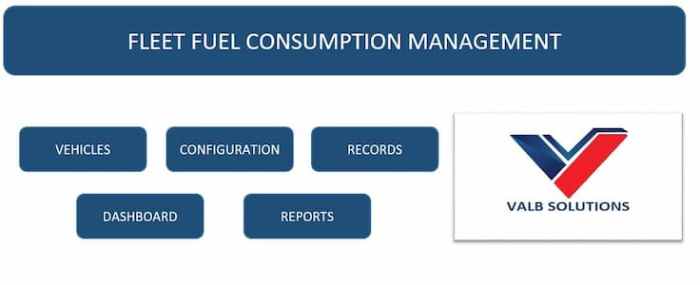
Exploring the realm of optimizing fuel consumption through fleet data opens up a world of possibilities. From understanding the data collected from vehicles to implementing telematics systems, this topic delves into the intricacies of maximizing fuel efficiency. Get ready for a journey filled with insights and practical tips to make the most out of your fleet data.
Understanding Fleet Data
When it comes to optimizing fuel consumption in fleet vehicles, understanding the data collected is crucial. This data provides valuable insights that can help fleet managers make informed decisions to improve efficiency and reduce costs.
Types of Data Collected
- Mileage: Tracking the number of miles driven by each vehicle in the fleet.
- Idle time: Monitoring how long each vehicle idles, which can impact fuel efficiency.
- Speed: Capturing the speed at which vehicles are traveling, as excessive speed can lead to increased fuel consumption.
- Engine diagnostics: Collecting data on engine performance to identify issues that may affect fuel efficiency.
Significance of Analyzing Fleet Data
Analyzing fleet data is essential for optimizing fuel consumption because it allows fleet managers to identify patterns, trends, and inefficiencies. By understanding how vehicles are being used and where improvements can be made, managers can implement strategies to reduce fuel consumption and overall costs.
Examples of Data Points for Monitoring Fuel Usage
- Fuel efficiency: Calculating the amount of fuel consumed per mile driven to assess overall efficiency.
- Driver behavior: Monitoring driver habits such as harsh braking or acceleration that can impact fuel consumption.
- Route optimization: Analyzing the most efficient routes for each vehicle to minimize fuel usage.
- Maintenance records: Keeping track of maintenance schedules and repairs to ensure vehicles are operating at peak efficiency.
Implementing Telematics Systems
Telematics systems play a crucial role in optimizing fuel consumption by capturing real-time data and providing valuable insights into vehicle performance and efficiency. One key component of telematics systems is GPS technology, which enables tracking vehicle routes and monitoring fuel usage effectively.
Real-time Data Capture
Telematics systems utilize various sensors and devices installed in vehicles to gather real-time data on factors such as speed, engine performance, idling time, and fuel consumption. This data is transmitted wirelessly to a central server for analysis and reporting, allowing fleet managers to make informed decisions to improve fuel efficiency.
- GPS tracking technology provides accurate location information, allowing fleet managers to monitor vehicle routes and identify inefficiencies that contribute to increased fuel consumption.
- Telematics systems can track driver behavior, such as harsh acceleration, braking, and speeding, which can impact fuel efficiency. By analyzing this data, fleet managers can provide targeted training to improve driving habits and reduce fuel consumption.
- Monitoring engine diagnostics through telematics systems helps identify maintenance issues that can affect fuel efficiency. Prompt maintenance interventions based on real-time data can prevent costly breakdowns and optimize fuel usage.
Telematics Tools for Fuel Consumption Management
There are several telematics tools available in the market that specifically focus on optimizing fuel consumption and reducing operational costs for fleets. These tools offer advanced features and functionalities to track and analyze data related to fuel usage and vehicle performance.
One example of a telematics tool for fuel consumption management is XYZ Fleet Management Software, which provides detailed reports on fuel usage, idling time, and route optimization. The software offers real-time alerts for fuel theft or unauthorized vehicle usage, enabling proactive measures to prevent losses.
- Another popular telematics tool is ABC Fuel Monitoring System, which integrates with GPS technology to track fuel levels and consumption patterns. The system generates reports on fuel efficiency metrics, such as miles per gallon (MPG) and fuel cost per mile, to help fleet managers identify areas for improvement.
- Telematics systems like DEF Eco-Driving Solutions offer driver coaching features that promote eco-friendly driving practices to reduce fuel consumption. These systems provide real-time feedback to drivers on their driving behavior and suggest adjustments to improve fuel efficiency.
Utilizing Driver Behavior Analysis
Analyzing driver behavior data plays a crucial role in optimizing fuel consumption within a fleet. By understanding how drivers behave on the road, fleet managers can identify areas for improvement and implement strategies to enhance fuel efficiency
Impact of Driver Behavior on Fuel Consumption
- Harsh acceleration and braking can significantly increase fuel consumption. By monitoring these behaviors through telematics systems, fleet managers can address issues with individual drivers and provide targeted training to improve driving habits.
- Idling for extended periods wastes fuel unnecessarily. By tracking idle time and educating drivers on the impact of idling, fleets can reduce fuel costs and minimize their environmental footprint.
- Speeding not only poses safety risks but also leads to higher fuel consumption. Analyzing data on speeding incidents can help fleet managers identify drivers who consistently exceed speed limits and implement measures to promote safer and more fuel-efficient driving practices.
Monitoring Driving Habits for Fuel Efficiency
- Regularly reviewing driver behavior data allows fleet managers to spot trends and patterns that indicate areas for improvement. By staying informed about how drivers are performing, managers can proactively address issues and implement targeted solutions to optimize fuel consumption.
- Setting benchmarks and goals for fuel efficiency based on driver behavior data can help motivate drivers to adopt fuel-saving practices. By incentivizing good driving habits and providing feedback on performance, fleets can create a culture of fuel efficiency that benefits both the company and the environment.
Incentivizing Drivers Based on Data Analysis
- Implementing a rewards system for drivers who demonstrate fuel-efficient behavior can be a powerful motivator. By offering incentives such as bonuses, recognition, or other rewards, fleets can encourage drivers to prioritize fuel-saving practices and contribute to overall cost savings.
- Providing ongoing training and feedback based on driver behavior data can help drivers understand the impact of their actions on fuel consumption. By empowering drivers with knowledge and resources, fleets can cultivate a sense of ownership and responsibility for fuel efficiency within the organization.
Optimizing Maintenance Schedules
When it comes to optimizing fuel consumption in a fleet, one crucial aspect to consider is maintaining vehicles at regular intervals. By using fleet data effectively, maintenance schedules can be optimized to ensure vehicles are running efficiently and consuming fuel in the most economical way possible.
Regular vehicle maintenance plays a significant role in fuel efficiency. Well-maintained vehicles tend to operate more smoothly, reducing the amount of fuel needed to power them. By analyzing data collected from telematics systems, fleet managers can identify patterns and trends that indicate when specific maintenance tasks should be performed to maximize fuel efficiency.
Correlation between Vehicle Maintenance and Fuel Consumption
- Regular oil changes: Ensuring vehicles have clean oil can improve engine performance and fuel efficiency.
- Tire pressure checks: Properly inflated tires reduce rolling resistance, leading to better fuel economy.
- Air filter replacements: Clogged air filters can hinder airflow to the engine, affecting fuel consumption.
Concluding Remarks
As we wrap up our discussion on using fleet data to optimize fuel consumption, remember that the key lies in analyzing, implementing, and adapting based on the insights gained. By leveraging data-driven strategies, you can unlock significant fuel savings and operational efficiencies for your fleet.
Stay tuned for more innovative ways to enhance your fleet management practices.
Questions Often Asked
How can analyzing driver behavior impact fuel consumption?
By monitoring driver behavior data, you can identify areas for improvement such as aggressive driving habits or excessive idling, which can lead to fuel wastage. Implementing corrective measures based on this analysis can significantly optimize fuel efficiency.
What are some examples of maintenance tasks that can improve fuel economy?
Regularly checking and maintaining tire pressure, tuning the engine, and ensuring proper alignment are maintenance tasks that can positively impact fuel economy. These routine tasks, when done based on data insights, can contribute to better fuel efficiency for fleet vehicles.